
Join Xiora Inner Circle – Learn . Connect . Build
What biological mechanism are we targeting, what does the evidence say about addressing it, and what is the most reliable way to deliver it to the body?
What are we actually trying to influence?
Before choosing an ingredient, we define the biological or nutritional process the formulation is intended to influence. For a microbiome-focused formulation, this means looking beyond individual organisms to the ecosystem in which they function — including fermentable substrate availability, microbial metabolism, intestinal transit, the luminal environment, microbial metabolites, diet and host physiology.
Starting with an ingredient can bias the question toward justifying that ingredient. Starting with the biology allows us to compare possible approaches before deciding whether an ingredient deserves consideration at all.

FIG. 01 – Formulation begins with the biological question – before ingredient selection.

FIG. 02 / PRECLINICAL MECHANISTIC EVIDENCE .
PHGG was investigated in a mouse model for effects on the colonic mucus layer and MUC2-associated mucus production.
Citation: Kajiwara-Kubota M, et al. npj Science of Food. 2023;7:10.
Understand the pathway before targeting it.
Once the biological question is defined, we map the pathways that could reasonably influence it. In microbiome-focused formulation this can include substrate availability, microbial fermentation, microbial metabolites, intestinal transit, barrier biology and host physiology. We distinguish association from mechanistic plausibility, and mechanistic plausibility from demonstrated human outcomes, because an interesting biological pathway does not automatically translate into clinical benefit.
We also consider microbiome function alongside composition. Changes in microbial abundance can provide useful information, but they do not by themselves establish biological or clinical benefit. Fermentation products, microbial metabolites and host responses provide additional layers through which an intervention can be evaluated.
“Science-backed” isn’t a standard.
Evidence Has Context
A published study is not automatically strong evidence. We evaluate study design, population, comparator, dose, duration and endpoint, while asking whether the material investigated is sufficiently direct to the ingredient being considered.
Human intervention data carry greater weight when evaluating human outcomes, while mechanistic and preclinical studies help us understand biological plausibility. However, even a RCT must be interpreted in the context of its sample size, methodology, population, limitations and potential conflicts of interest.
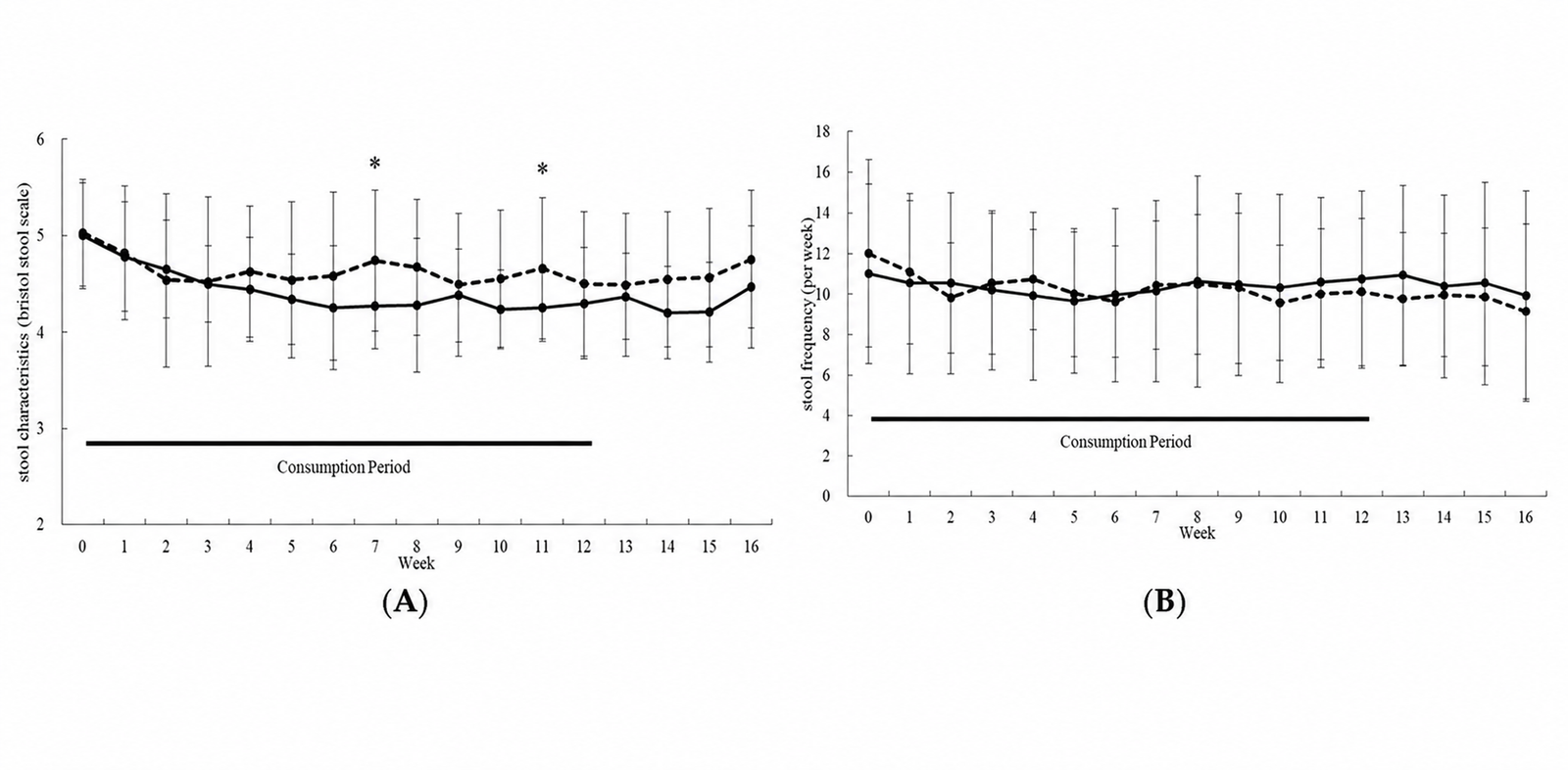
FIG. 03A / HUMAN CLINICAL EVIDENCE
RANDOMIZED · DOUBLE-BLIND · PLACEBO-CONTROLLED · HUMAN
Human PHGG trial evaluating stool-form outcomes over time.
Citation: Yasukawa Z, et al. Nutrients. 2019;11(9):2170.
Beyond Composition
Microbiome studies answer a different set of questions. Taxonomic analysis can identify changes in microbial community structure, while metabolomics can investigate functional changes through molecules present in the intestinal environment.
We consider these data alongside — not instead of — clinically meaningful human outcomes. Different evidence answers different questions, and we do not treat all evidence as equivalent.
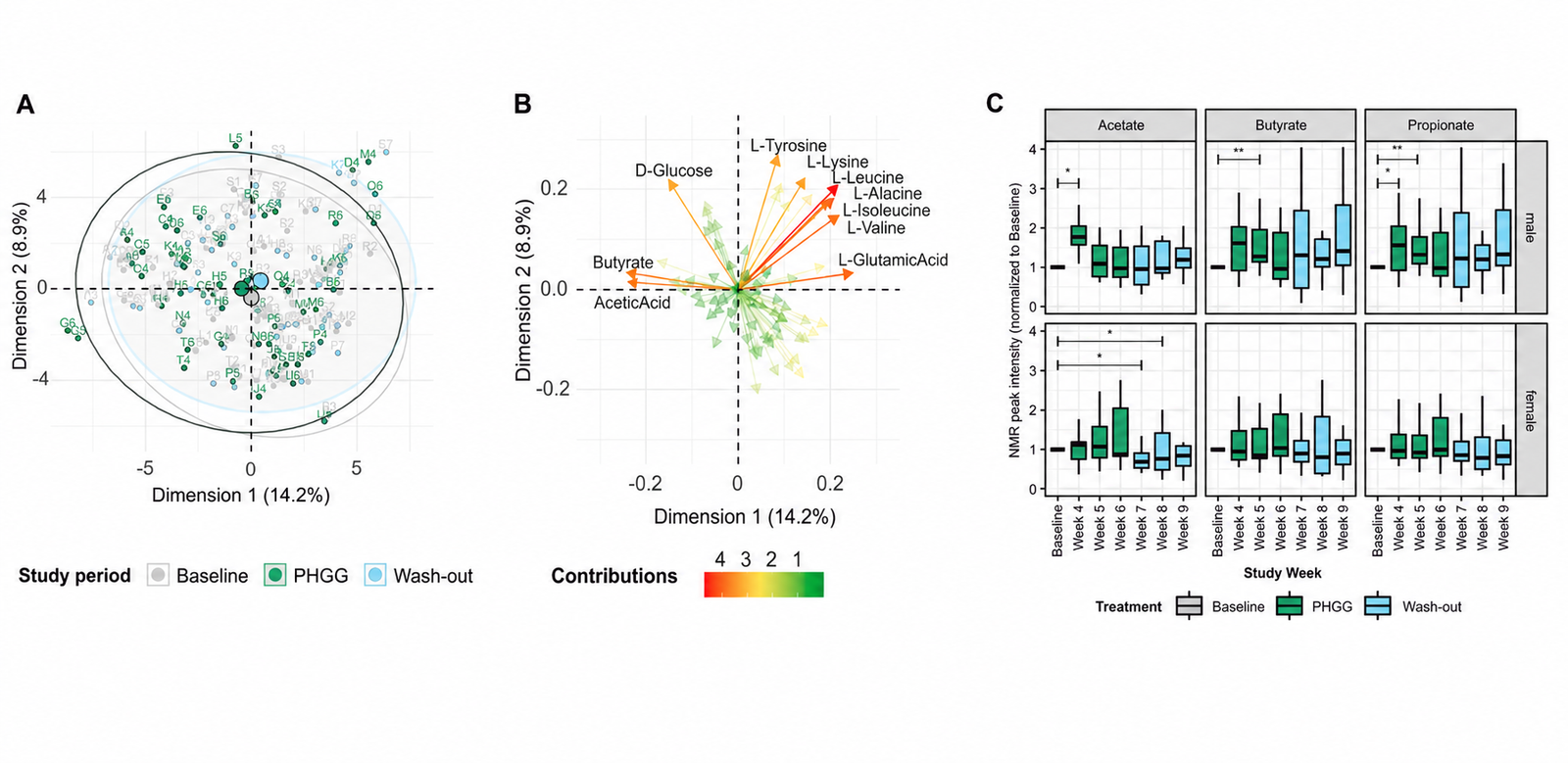
FIG. 03B / FUNCTIONAL MICROBIOME EVIDENCE
16S MICROBIOME ANALYSIS · NMR METABOLOMICS · HUMAN
Human PHGG research examining microbial composition and function,
including measured faecal metabolites.
Citation: Reider SJ, et al. Nutrients. 2020;12(5):1257.
An ingredient may be well studied and still be unnecessary for the formulation we are building.
The Xiora Clinical Filter asks one final question:
IF YES -> It moves forward into formulation.
IF NOT -> We leave it out.
Because evidence for an ingredient is not, by itself, a reason to include it.
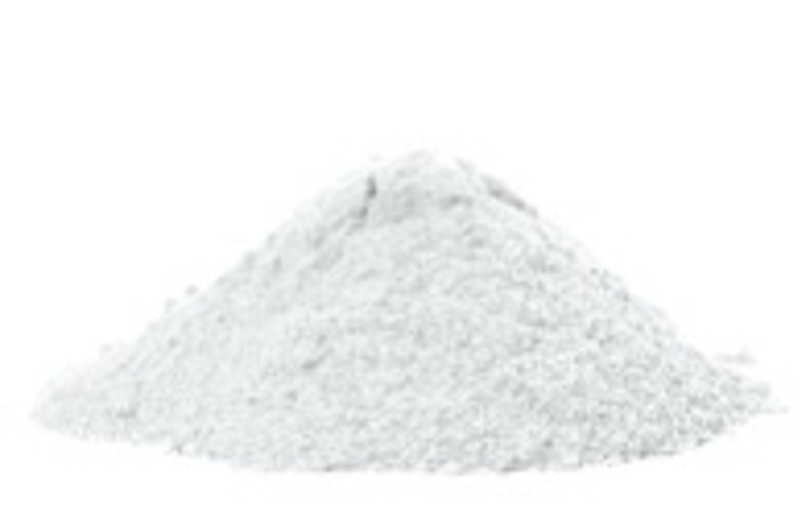
FIG. 04 / FORMULATION MATERIAL
Caption: SUNFIBER®
More ingredients don’t automatically make a better formulation.
Once individual candidates pass the clinical filter, we evaluate them together as a system.
Each ingredient needs a defined purpose and a defensible dose, while the combination must add complementary value without unnecessary redundancy. We also consider whether combining ingredients changes gastrointestinal tolerability and whether the intended quantities can actually be delivered in the chosen format.
A longer ingredient list is not inherently a more sophisticated formulation.
Sometimes the scientifically responsible decision is not to add another active, but to leave it out.
Science has to survive manufacturing.
A rational formulation on paper means little if the finished product does not meet the specifications it was designed around. Quality therefore extends beyond ingredient selection to raw-material identity and specifications, supplier documentation, manufacturing controls, finished-product release specifications and applicable analytical or microbiological testing.
Where independent third-party verification forms part of the product’s quality programme, it provides an additional layer of evidence against defined parameters. We prefer showing the documentation that applies to the actual material or batch rather than asking consumers to rely on generic quality language.

Quality you can verify –
DOC. 01 – Manufacturing Quality Control documents | View document ↗
DOC. 02 – Independent Test Report | | View document ↗
DOC. 03 – Relevant Raw-Material CoA/TDS | View document ↗

We disclose every active ingredient dosage so you know exactly what you’re taking.
No artificial colors, flavors, or binder shortcuts. All our ingredients are active and functional.
We dosage ingredients based on clinical trials, not marketing trends.
Every product must fulfill a clear clinical need, not an empty commercial catalog.
We never compromise raw material quality or testing to maximize profit margin.
If the answer is no, we don’t develop the formulation.
From the roots, to the aura.